

Inside CAAMFest 2026: A Conversation with Sapana Sakya
Admin • May 3, 2026
The countdown is on. CAAMFest 2026 returns this week, bringing filmmakers, artists and audiences together in San Francisco Japantown for four days of storytelling that reflects the richness and complexity of the Asian American experience. For more than four decades, the Center for Asian American Media has created a space where culture and community meet, and where films are not just screened, but held, discussed and carried forward.
As part of our CAAMFest coverage, we sat down with Sapana Sakya, Programmer of Documentary Features and a longtime BGDM member, to get an inside look at this year’s lineup, the evolving documentary landscape and what filmmakers hoping to be part of CAAMFest next year should know. If you’re attending the festival this year, be sure to check out our CAAMFest Member Films Guide for a full roundup of BGDM projects and add them to your schedule to support our community of brilliant filmmakers premiering their work.
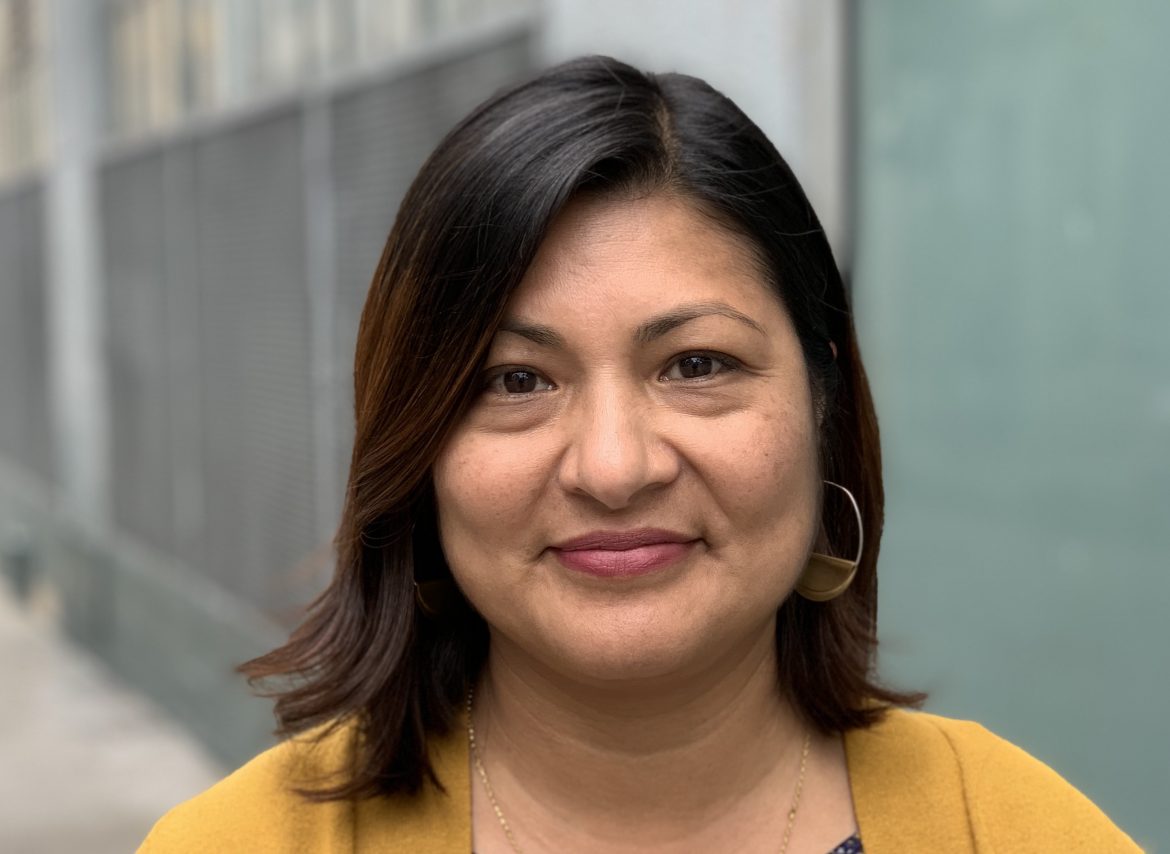
Sapana Sakya | Programmer Documentary Features
Sapana Sakya is a documentary filmmaker and educator who designs filmmaker support programs at Center for Asian American Media, including the Filmmaker Summit and CAAM Fellowship. She previously helped launch kimff Doc Lab in Nepal, supporting emerging documentary filmmakers through training and mentorship.
1) 2025 brought major challenges to the documentary field, from funding instability to broader cultural and political pressures. As you look at the current landscape, where do you see documentary today, and how is that reflected in the lineup at CAAMFest 2026?
To answer from CAAM’s perspective, I think Asian American documentary filmmakers have been very active and prolific despite the fluctuations in funding and resources toward nonfiction work. At CAAMFest this year, we have a record number of documentary features, 13 in total, and many shorts, including 11 different projects that CAAM has supported through our fellowship programs or funding. Documentary filmmakers are used to fighting the good fight. We remain undeterred.
2) You’re leading Documentary Features this year under a new team-based curatorial approach. Can you share your journey into programming and what drew you to CAAM? What drives you to do this work right now?
Programming has always been at the heart of my work at CAAM, and overseeing the documentary features at CAAMFest felt like an organic next step.
As a documentary filmmaker myself, it is incredibly gratifying to be able to support filmmakers and their teams in reaching the finish line. When they screen at CAAMFest, I know they are going to have the audience and the community to help them celebrate their hard work at their launch. CAAMFest is not a marketplace, but it is where you will find your people.
3) In a moment when documentaries are actively shaping how we understand the world, how do you approach your role as a programmer? How do you balance responsibility to community with the need to challenge or disrupt dominant narratives?
At CAAMFest, we are very clear that we are presenting stories from the Asian American diaspora, so when you attend CAAMFest, you know you will find films that you won’t necessarily see at most mainstream film festivals.
In our 44th year as a film festival, audiences expect films that lean into the specificity of Asian American experiences, sometimes challenging dominant narratives and other times expanding the lens for all the expressions of culture and nuance that we showcase.
4) For filmmakers hoping to be part of CAAMFest, can you walk us through how films are selected? What stands out to you in a crowded field, and how do you decide which stories feel essential for this moment?
The CAAMFest footprint is much smaller than it used to be. We went from a 10-day festival to four days starting in 2025, so we definitely don’t have the same capacity for all the great films we receive.
Our documentary programming highlights the intersection of Asian and American identities, underrepresented or misrepresented community stories, and offers insight into our shared contemporary lives and histories. Our short films are always an exciting cross section of narrative and documentary, as well as animation, essay and experimental works.
5) This year introduces a more collaborative curatorial model. How did that shape the Documentary Features lineup, and what themes emerged? As a member of Brown Girls Doc Mafia, what does it mean to see that community reflected across the program?
It’s always exciting and gratifying to witness Brown Girls Doc Mafia reflected in the programming. Some amazing makers highlighted at CAAMFest this year include Nausheen Dadabhoy, director of Halal Bodies and cinematographer for the opening night film The A List: 15 Stories from the Asian American Diaspora, as well as Sarita Khurana, who directed both the short The Last Resort and the feature Seat at the Table, and Colette Ghunim, director of Traces of Home, which is CAAMFest’s closing night film.
There are many more in the lineup, including world premieres by Khai Nguyen for her feature The Dao of Thao and Shubhangi Shekhar with Hoop Like This, and more.
6) With shifts in public media support, where do you see documentary storytelling going next? And what can filmmakers expect from spaces like the CAAMFest Filmmaker Summit & Industry Hub?
Storytellers are as relevant and important as ever. Documentary filmmakers are creative producers of their stories, and the shifts in public media funding are accelerating experimentation in resource models and formats.
We lean into these conversations at the CAAM Filmmaker Summit & Industry Hub with panels on the changing ecosystem of documentary filmmaking, film festivals and the creative process.
CAAMFest is a gathering place for creatives and community. We are emphasizing in-person connections and relationship building, and I think this is where we will see growth for the future.
Hope to see you at CAAMFest this year.